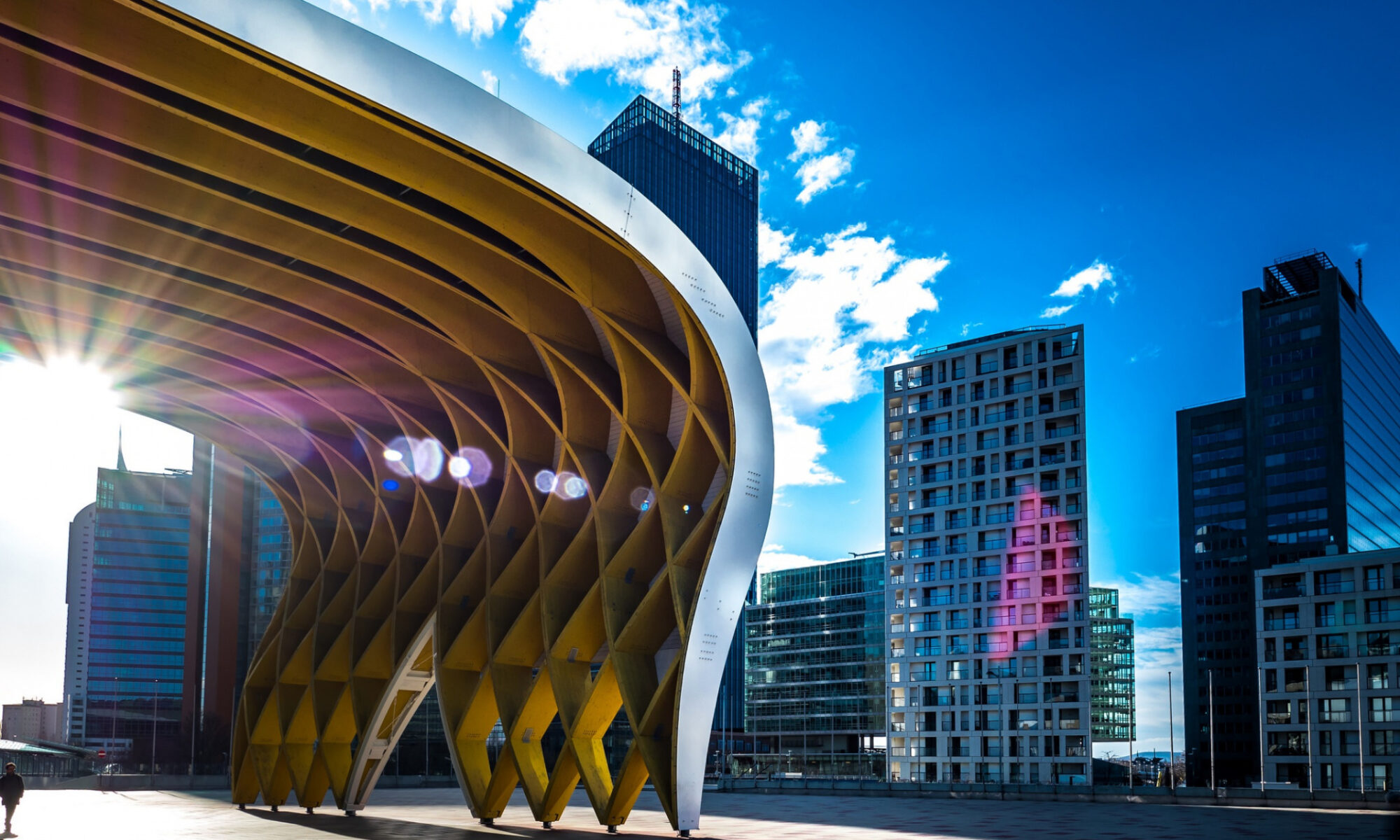

Bærekraftig Arkitektur:

Fremtidens Bygninger

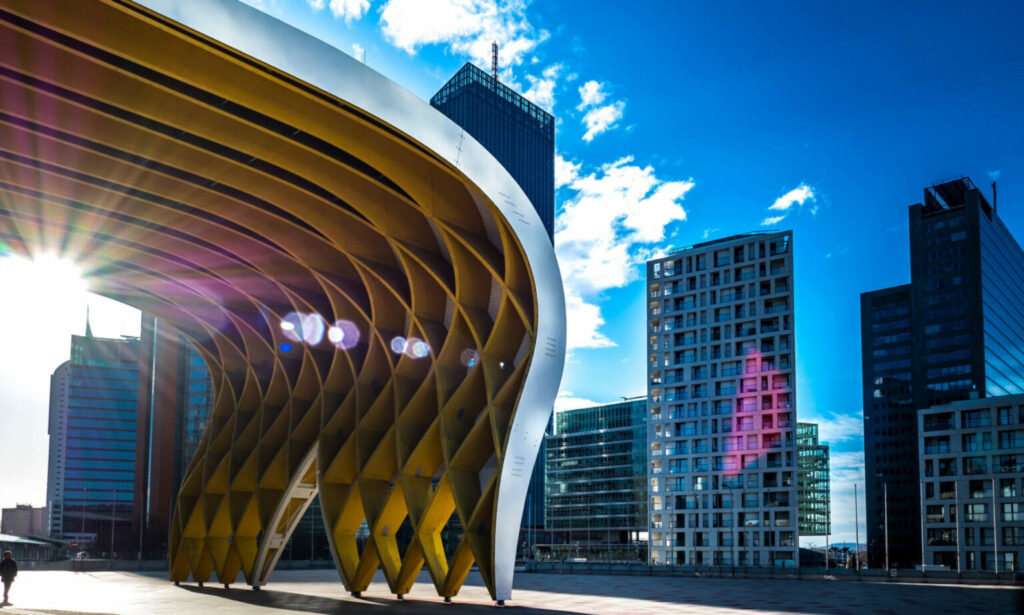
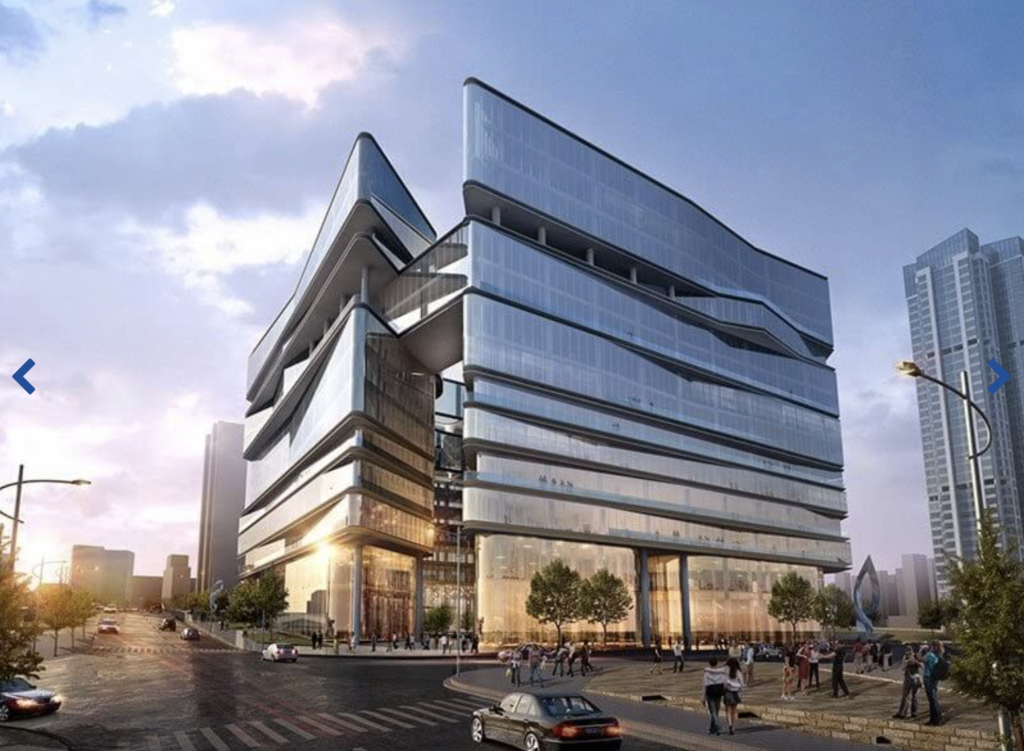
Bærekraftig arkitektur handler om å designe bygninger som ikke bare er funksjonelle og estetiske, men som også tar hensyn til miljøet. I en tid der klimaendringer er en realitet, blir det stadig viktigere å integrere bærekraftige prinsipper i byggeprosesser.

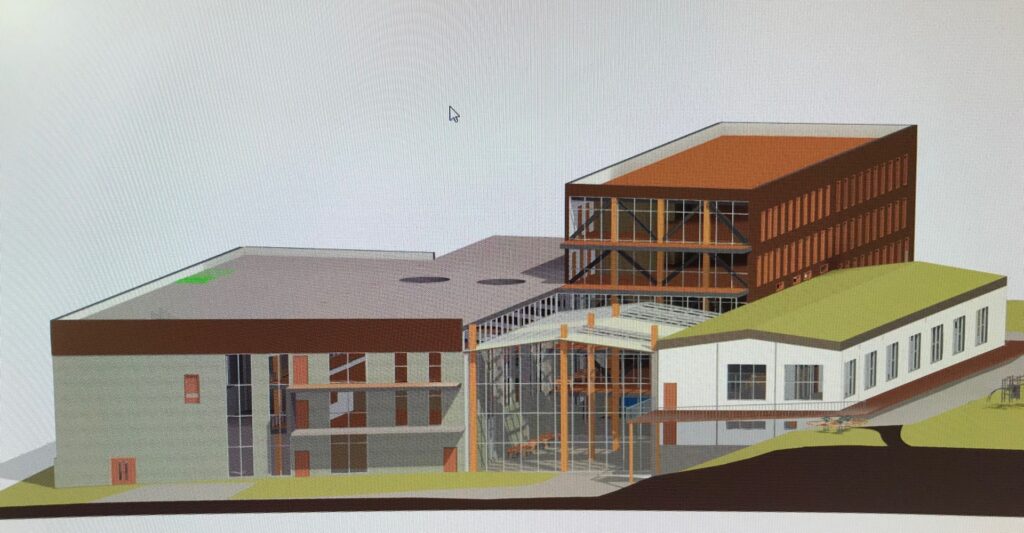
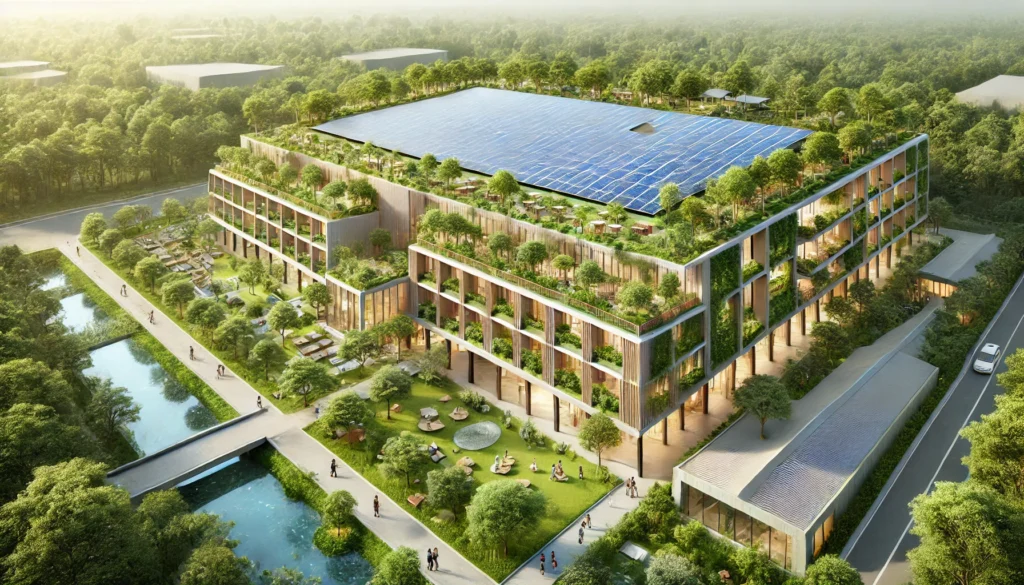
En bærekraftig bygning bruker ressurser effektivt, reduserer avfall og energiforbruk, og skaper et sunt innemiljø for de som bor eller arbeider der. Dette kan oppnås gjennom valg av materialer, som for eksempel resirkulerte eller lokale produkter, samt ved å implementere energieffektive systemer som solcellepaneler og grønne tak.

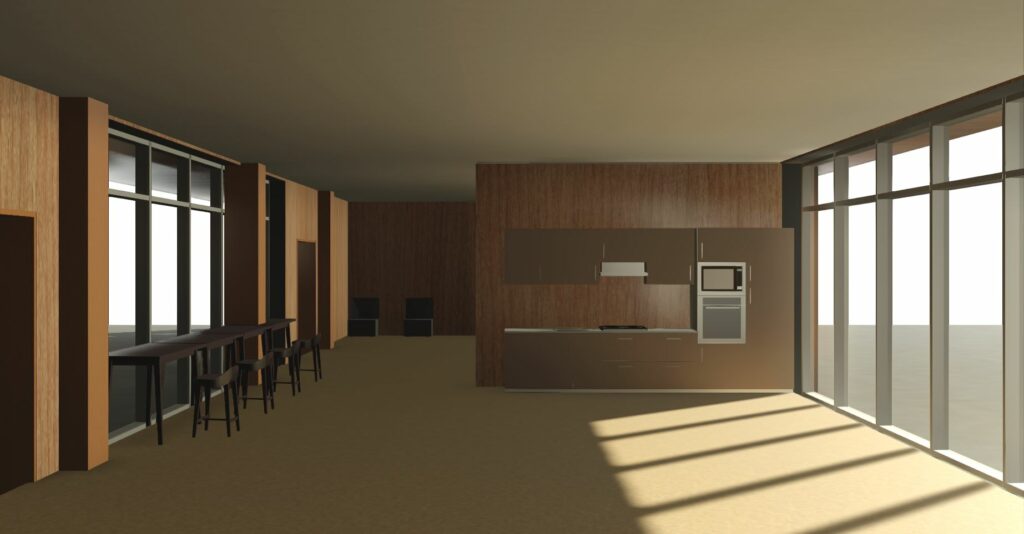
Designet spiller også en viktig rolle. Ved å orientere bygninger strategisk i forhold til sol og vind kan man maksimere naturlig lys og ventilasjon, noe som reduserer behovet for kunstig belysning og klimaanlegg.
Bærekraftig arkitektur er ikke bare et ansvar for arkitekter og ingeniører; det er noe vi alle kan bidra til. Ved å etterspørre og støtte bærekraftige løsninger, kan vi bidra til en mer miljøvennlig fremtid. Sammen kan vi bygge en verden der mennesker og natur lever i harmoni.
What types of job can an educated Master of Science in Sustainable Architecture get?

A Master of Science in Sustainable Architecture can open doors to a wide range of careers, given the growing importance of sustainability in the built environment. Here are some types of work and roles that graduates might pursue:

1. Sustainable Design Architect

  • Role: Designing buildings and structures with a focus on sustainability, energy efficiency, and environmental impact.
  • Employers: Architectural firms, design consultancies, or self-employment.

2. Green Building Consultant

  • Role: Advising on sustainable practices in construction and renovation, ensuring compliance with green building standards like LEED, BREEAM, or WELL.
  • Employers: Consulting firms, construction companies, government agencies, or NGOs.

3. Environmental Planner

  • Role: Planning and developing land use strategies that incorporate sustainable practices, including urban planning and landscape design.
  • Employers: Urban planning firms, government agencies, environmental consultancies.

4. Energy Efficiency Specialist

  • Role: Focused on improving energy use in buildings, conducting energy audits, and implementing renewable energy solutions.
  • Employers: Energy companies, engineering firms, government agencies, or sustainability consultancies.

5. Project Manager for Sustainable Developments

  • Role: Overseeing sustainable construction projects, ensuring that environmental goals are met, and managing budgets, timelines, and teams.
  • Employers: Real estate development companies, construction firms, or architectural firms.

6. Researcher or Academic

  • Role: Conducting research on sustainable architecture practices, materials, and technologies, or teaching at a university.
  • Employers: Universities, research institutions, think tanks.

7. Sustainability Coordinator or Director

  • Role: Developing and implementing sustainability strategies within organizations, including corporate sustainability programs and policies.
  • Employers: Large corporations, universities, government agencies, or non-profits.

8. Urban Designer with a Focus on Sustainability

  • Role: Designing urban spaces that promote sustainability, including green spaces, transportation networks, and sustainable infrastructure.
  • Employers: Urban design firms, municipal governments, or environmental organizations.

9. LEED/BREEAM Assessor

  • Role: Assessing buildings and developments for certification under green building standards such as LEED or BREEAM.
  • Employers: Certification bodies, consulting firms, or freelance.

10. Material Innovation Specialist

  • Role: Researching and developing new sustainable building materials and methods for their implementation.
  • Employers: Construction firms, manufacturing companies, or research labs.

11. Climate Resilience Specialist

  • Role: Designing and advising on building strategies that are resilient to climate change impacts, such as rising temperatures and extreme weather.
  • Employers: Government agencies, NGOs, international development organizations.

12. Sustainable Development Consultant

  • Role: Advising on policies and projects that aim to create sustainable communities, both in developed and developing regions.
  • Employers: International organizations, development agencies, consulting firms.

13. Corporate Social Responsibility (CSR) Manager

  • Role: Overseeing sustainability initiatives within a corporation, including sustainable building practices and energy management.
  • Employers: Large corporations, particularly those in real estate, construction, or manufacturing.

14. Sustainable Product Designer

  • Role: Designing eco-friendly products used in construction, such as sustainable furniture, lighting, or building components.
  • Employers: Product design firms, manufacturing companies.

15. Policy Advisor on Sustainable Architecture

  • Role: Advising governments or organizations on policies related to sustainable building practices, urban planning, and environmental protection.
  • Employers: Government agencies, NGOs, think tanks.

16. Sustainability Reporting and Certification Consultant

  • Role: Assisting companies in reporting their sustainability efforts and achieving sustainability certifications for buildings and products.
  • Employers: Consulting firms, certification bodies, or as an independent consultant.

17. Non-Profit or NGO Roles

  • Role: Working with organizations focused on sustainable development, housing, or environmental advocacy.
  • Employers: NGOs, international development organizations, non-profits.

Each of these roles leverages the expertise gained in sustainable architecture, contributing to various sectors like construction, urban development, energy, policy-making, and academia.

What is Sustainable Architecture

What is Sustainable architecture ?

Sustainable architecture is architecture that seeks to minimize the negative environmental impact of buildings by efficiency and moderation in the use of materials, energy, development space and the ecosystem at large. Sustainable architecture uses a conscious approach to energy and ecological conservation in the design of the built environment.[1]

The idea of sustainability, or ecological design, is to ensure that our use of presently available resources does not end up having detrimental effects to our collective well-being or making it impossible to obtain resources for other applications in the long run.

CREATOR: gd-jpeg v1.0 (using IJG JPEG v80), quality = 92

Jeg er arkitekt

Hei der! Jeg er heter Marianne Cabildo og er Sivilarkitekt. Jeg har min utdannelse fra NTNU hvor jeg studerte Master of science i Bærekraftig arkitektur. 

Som en engasjert arkitekt med stor interesse for bærekraft og miljøvennlige løsninger, er fokuset spesielt rettet mot rehabilitering av eksisterende bygninger fremfor nybygg. Dette sees som en nøkkel til å redusere karbonavtrykket i byggesektoren. Arbeidet innebærer målrettet integrering av bærekraftige prinsipper i alle deler av prosessen, fra materialvalg til energiløsninger. Med en fremtidsrettet tilnærming skapes funksjonelle og miljøvennlige løsninger som ivaretar både mennesker og miljø